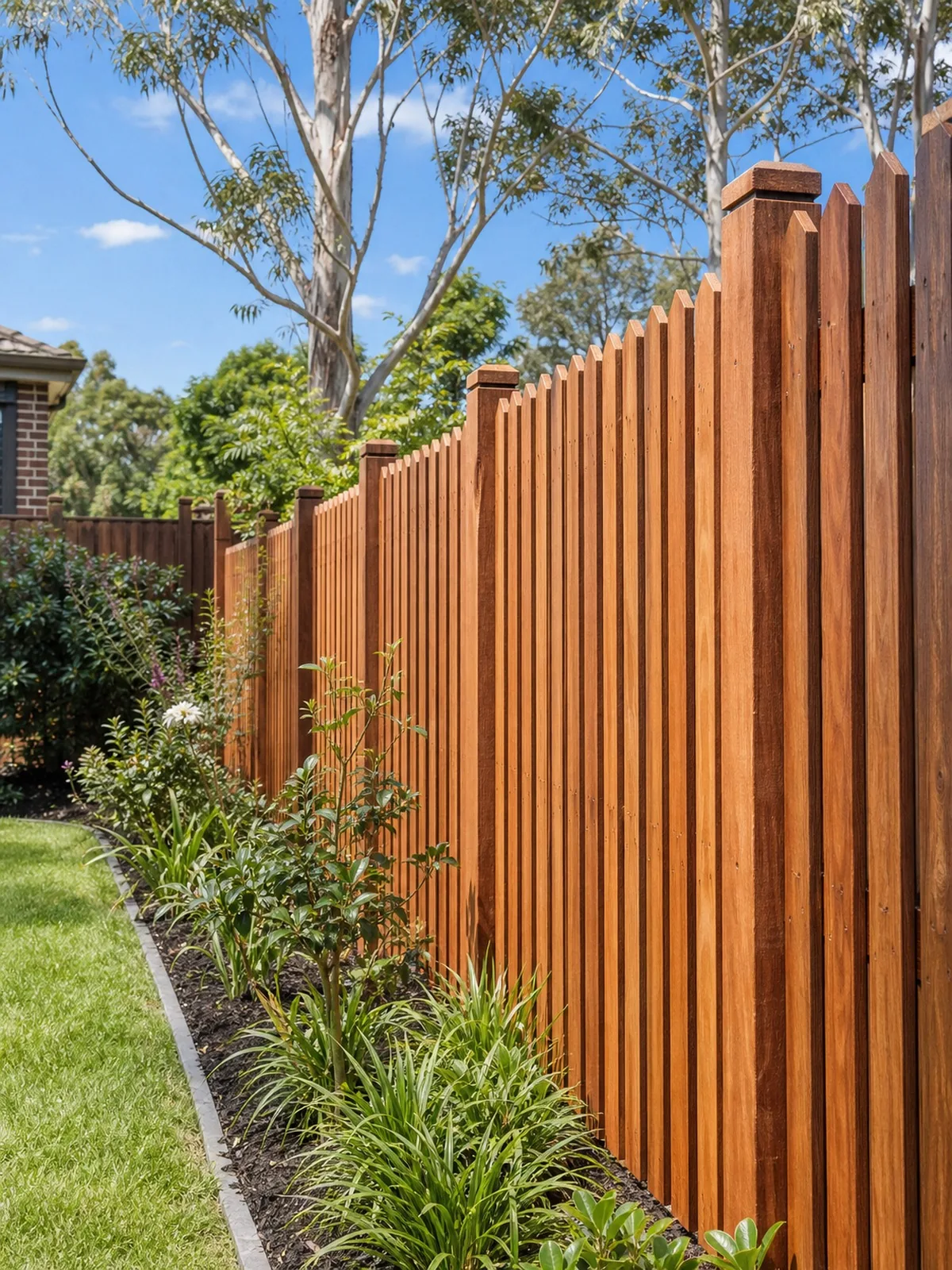
A clear, practical guide to fence height rules in NSW — covering front, side and rear boundary fences, plus when council approval may apply.
One of the most common questions we hear is simply “how high can a fence be in NSW?” The honest answer is that it depends on where the fence sits on your block, your zoning, and the controls set by your local council. In New South Wales, many straightforward boundary fences can be built as exempt development, meaning no formal approval is needed as long as they meet defined conditions.
As a general rule, fences facing the street (front fences) are kept lower than side and rear boundary fences to protect sight lines, safety and the look of the streetscape. Side and rear fences that separate you from your neighbours are usually allowed to be taller. Because the exact figures and conditions differ from council to council, understanding the principles below will help you plan a compliant fence and avoid costly rework.
Jacob Landscaping and Fencing has installed fences across 72+ Sydney suburbs since 2016. We are happy to help you interpret the rules for your street and build a fence that looks great and stays within the limits that apply to your property.
This page provides general information about fence height in NSW. Rules change and vary by council. Confirm current requirements with your local council and NSW Fair Trading / Service NSW before starting any fencing work.
Front fences are generally the most restricted. Many councils typically allow front fences up to around 1.2m, and sometimes a little higher if part of the fence is open or transparent. Solid front fences and fences near driveways or intersections often face tighter limits to protect visibility for drivers and pedestrians.
Fences along side and rear boundaries generally have more generous limits. It is common for councils to permit dividing fences up to about 1.8m as exempt development where the standard conditions are met. Taller fences may be possible but typically require additional approval.
Corner properties often have two “front” boundaries, which can affect where higher fences are allowed. Councils generally apply sight-line and setback controls to keep intersections safe, so height allowances on the secondary frontage are usually assessed carefully.
Where a fence sits on top of a retaining wall, or has a lattice topper, the combined height is often considered together. This means a fence that looks compliant on its own may exceed limits once the wall or topper is counted. Always check how your council measures overall height on sloping sites.
Fencing across Sydney since 2016 with a track record of compliant, tidy installs.
Fully licensed and insured for peace of mind on every residential and commercial job.
Local knowledge of council areas right across the Sydney metro region.
Clear, honest pricing and prompt scheduling so your project stays on track.
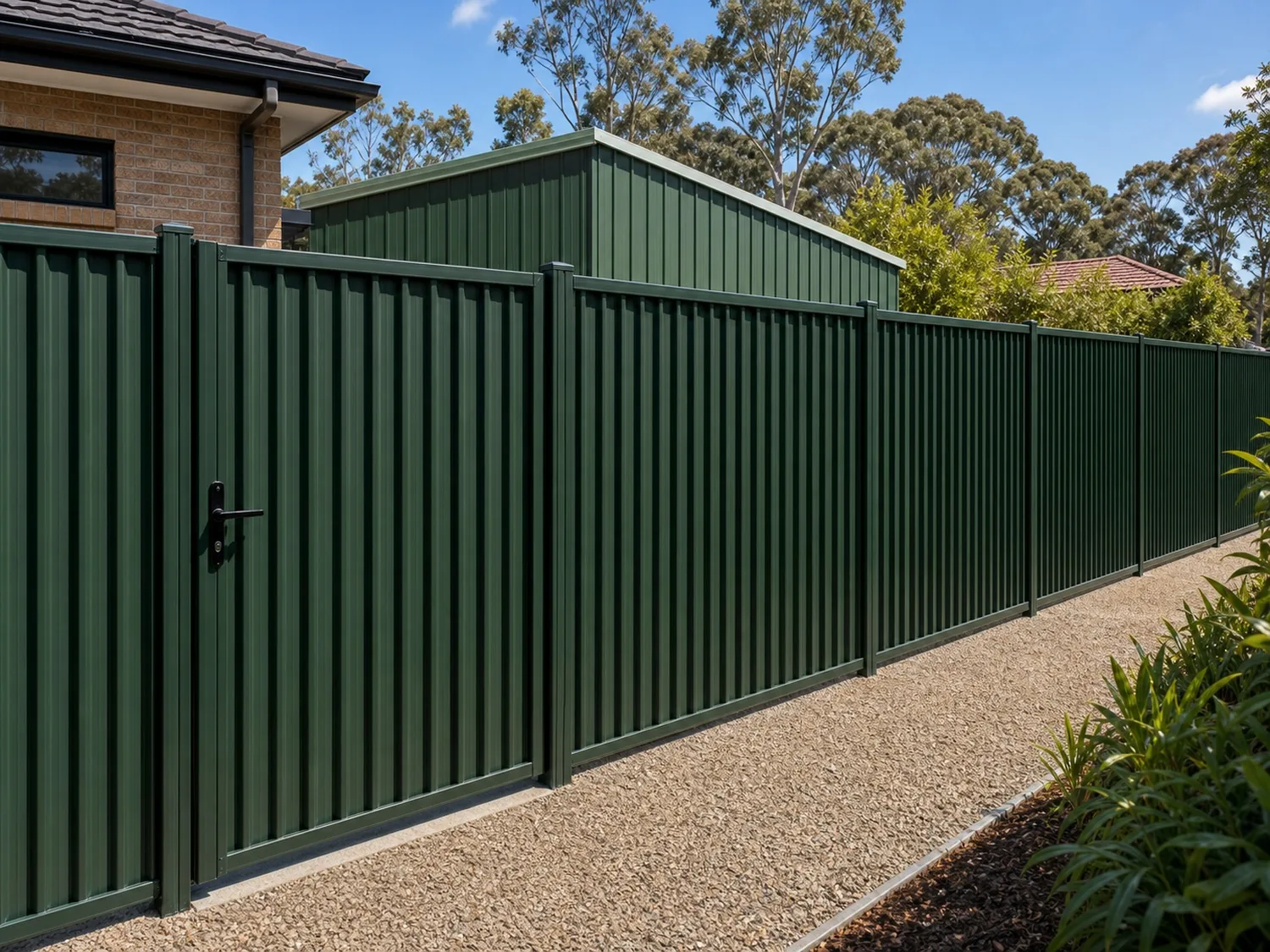
Contact Sydney's trusted Jacob Landscaping and Fencing experts for professional outdoor solutions
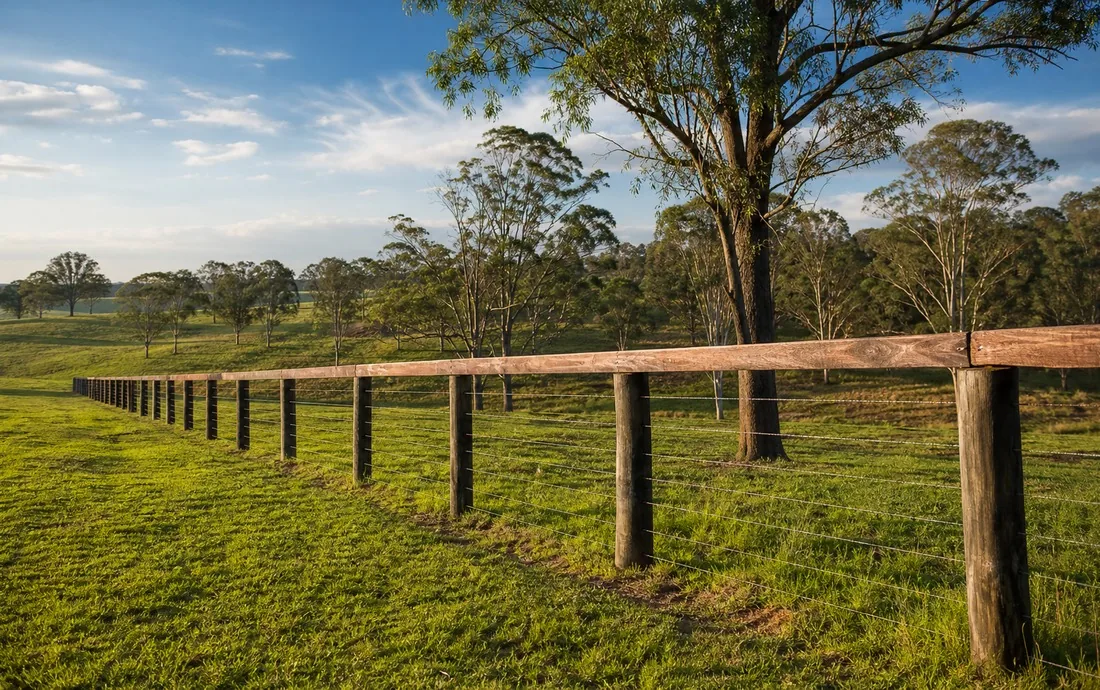
Premium materials and expert craftsmanship on every project. We don't compromise on quality.

Quick quotes and efficient service. We value your time and respond promptly to all inquiries.
9+ years serving Sydney. We understand local regulations and climate requirements.
Professional Jacob Landscaping and Fencing services across 72+ locations
Contact us today for your free consultation and quote
Transform your Sydney property with expert fencing contractors and landscape designers